
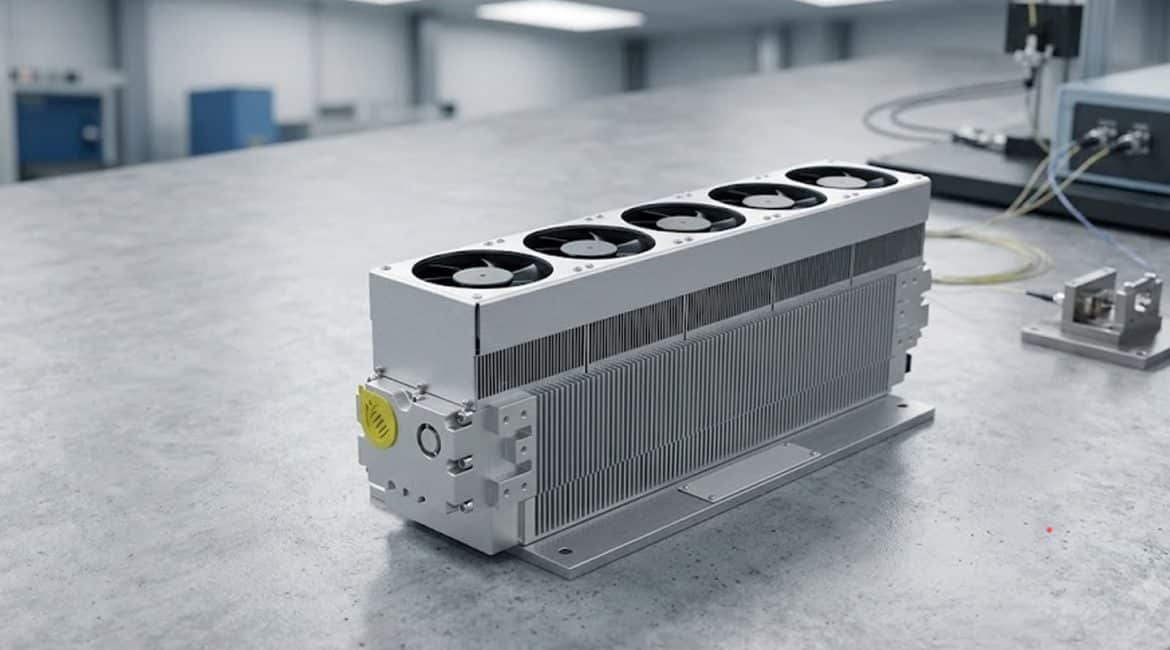
When an RF laser tube operates for 20,000 to 30,000 hours, its internal gas mixture becomes imbalanced. This occurs due to molecular decomposition and minor leaks. Consequently, the laser’s output power significantly decays. At this point, your laser is not fundamentally broken. Instead, it resembles a sports car with an empty fuel tank. It simply needs a “refill” to regain its full power. This is precisely where RF laser refurbishment offers a vital solution.
I. What Exactly is RF Laser Refurbishment? (Technical Analysis)
RF laser refurbishment is far more than simple gas filling. It constitutes a highly precise optical and gas system restoration. A standard RF laser refurbishment process typically includes several critical steps:
1.Vacuum Purification and Internal Cleaning: Before starting the refurbishment, the laser cavity undergoes a high-vacuum process. This thoroughly removes electrode spatter and other impurities. These contaminants accumulate from years of discharge within the tube. This thorough cleaning is a vital first step in effective RF laser refurbishment.
2.Optical System Inspection and Maintenance: Refurbishment involves more than just gas replenishment. Technicians carefully inspect the output coupler and total reflector. If they find any coating damage, they replace or re-coat these optics. This ensures the laser’s beam quality (M2) returns to its original factory standard, a hallmark of quality RF laser refurbishment.
3.High-Purity Gas Re-filling: This step is central to RF laser refurbishment. We strictly follow the original manufacturer’s precise recipe. Technicians inject high-purity CO2, N2, He, and special additives. This process uses high-pressure filling.
4.Performance Aging and Rigorous Testing: After gas filling, the laser undergoes several hours of load aging tests. Furthermore, we use a professional beam analyzer for strict inspection. This ensures power stability, spot profile, and ignition time meet all factory specifications.
II. Economic Benefits: Why RF Laser Refurbishment is a “Smart Money Move”?
From a Total Cost of Ownership (TCO) perspective, RF laser refurbishment is an undeniably smart and cost-effective choice. Its main advantages include:
- Effective Asset Value Extension: Refurbishment costs typically range from 30% to 50% of a new laser unit. Thus, you spend less than half the price. You restore your existing equipment to near-new performance levels. This makes RF laser refurbishment a highly attractive option, significantly extending the asset’s useful life and value.
- Avoid Complex Installation and Commissioning Risks: Replacing a new laser often brings numerous challenges. These include re-aligning optics, adjusting cooling systems, and tuning RF matching circuits. You might even need to redefine process parameters. However, a refurbished unit retains its original physical dimensions, mounting interfaces, and electrical matching characteristics. This consistency is a key benefit of RF laser refurbishment. Once installed, it requires almost no additional adjustments. Consequently, it can immediately return to production, saving significant time and effort.
- Environmental Responsibility and Sustainability: RF laser refurbishment maximizes the reuse of high-performance metal resonator cavities. This reduces new material consumption and waste generation. This approach aligns perfectly with current green industrial manufacturing and sustainability principles, making RF laser refurbishment an eco-friendly choice.
III. Decision Matrix: When to Refurbish, When to Replace?
Not every laser is suitable for RF laser refurbishment. This decision matrix helps you quickly determine the best course of action for your equipment, whether it’s RF laser refurbishment or replacement:
Situation A: Prioritize RF Laser Refurbishment
- Good Cavity Condition: If the laser’s metal resonator cavity shows no corrosion, mechanical impact damage, or severe electrical burns, RF laser refurbishment offers excellent value.
- Stable Process Flow: Your production line already relies on the existing laser’s performance. It has stable process parameters. Refurbishment maintains the original equipment characteristics. This avoids complex re-calibration of process parameters that a new machine might require.
- Budget Control Needs: You require strict control over annual equipment maintenance and upgrade budgets. At the same time, you demand high processing quality. In this scenario, RF laser refurbishment is the more economical solution.
Situation B: Consider Purchasing a New Machine
- Technological Upgrade Requirements: Your application has evolved. For example, you moved from “ordinary cutting” to “ultra-high-speed precision drilling.” The original laser’s cavity design might not meet these new technical standards. Therefore, buying a new-generation laser can deliver a significant performance leap.
- Severe Cavity Structural Damage: The laser tube might have severe water leakage. Its metal cavity could be deformed. Or, an accident might have damaged the resonator support structure. In such cases, the technical difficulty and cost of refurbishment might approach the price of a brand-new unit.
- Urgent Production Demands: Refurbishment usually involves shipping the equipment back. This goes to the original manufacturer or a specialized service center. Logistics and processing can take several weeks. If your production line cannot tolerate extended downtime, purchasing an in-stock new machine might be a faster, more practical choice.
RF laser refurbishment is essentially a clever strategy. It transforms the equipment’s “service life” into controllable “production costs.” When selecting an RF laser refurbishment service provider, you must carefully evaluate them. Confirm they possess OEM-level gas filling equipment and a professional beam quality analysis laboratory. Non-professional providers, lacking precise testing procedures, often offer sub-standard gas filling. This typically causes the laser tube to experience power decay again within just a few months.
The extent of performance recovery and subsequent lifespan of a refurbished laser depends entirely on the service provider’s professional expertise. If the RF laser refurbishment process is thorough and precise, the laser’s operational life can easily extend for another 20,000-hour cycle. This will continue to create value for your production.