
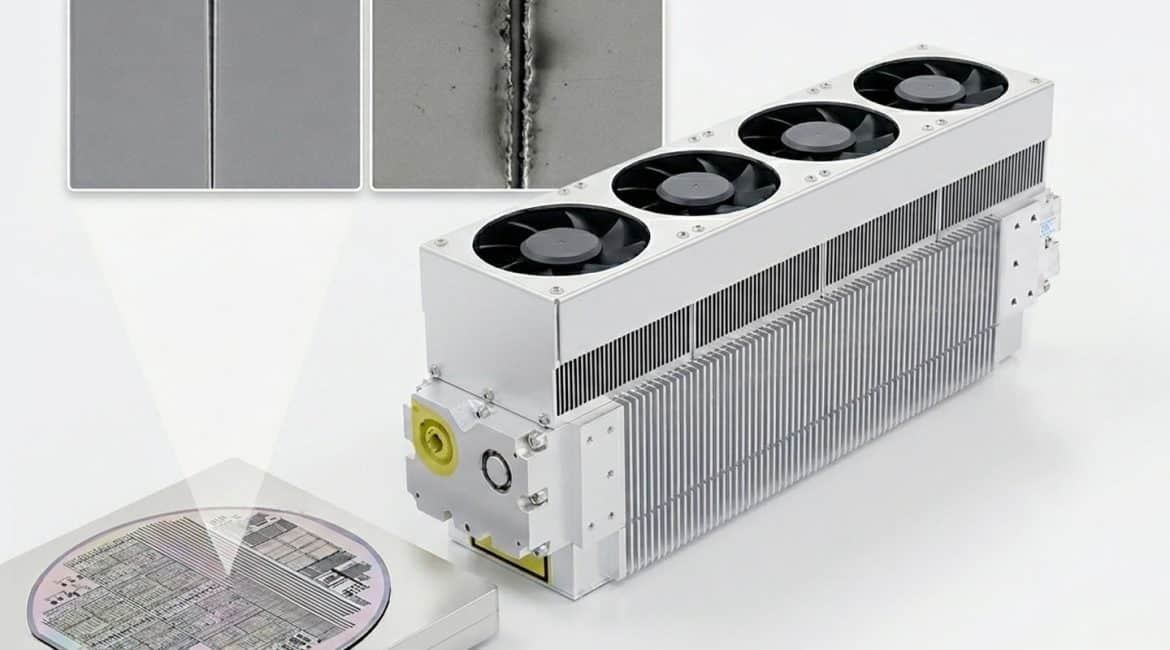
At the core of every Radio Frequency (RF) gas laser lies a critical architectural component that dictates its operational profile: the optical resonator. If the active medium provides the raw energy, the resonator functions as the precision guidance system, establishing the beam's geometric boundaries, spatial coherence, and power scaling limits....
M2≈1.1 How RF Slab Lasers Define the Ultimate Limit of Precision Machining
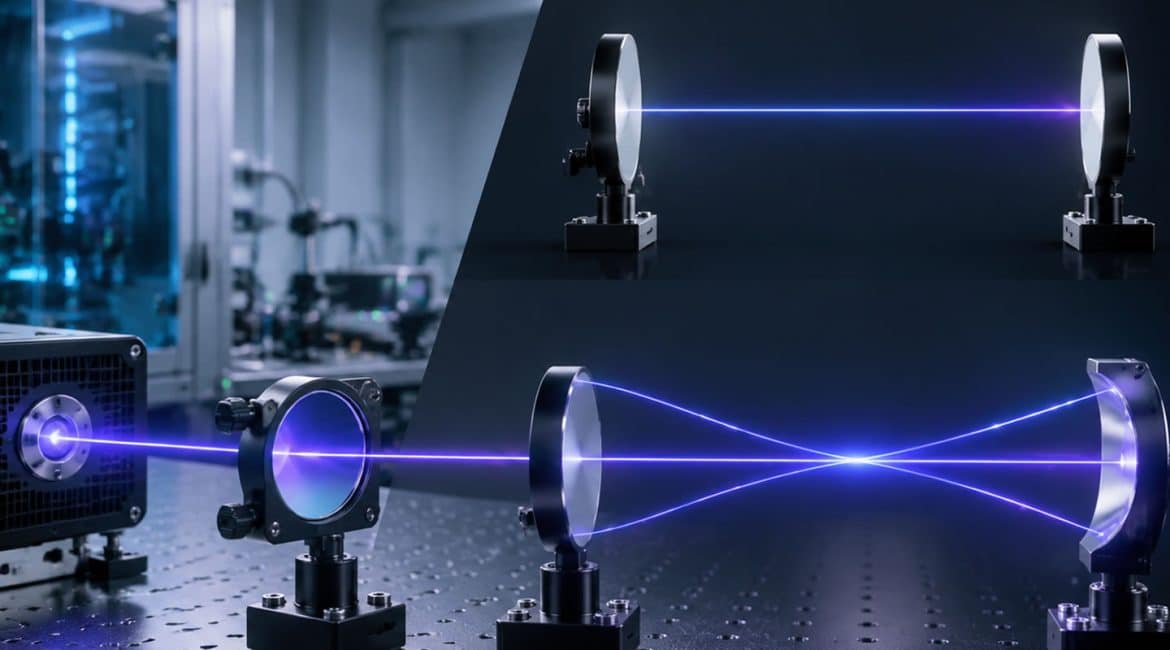
In the landscape of micro-machining, the Beam Quality Factor, or M2, is frequently cited yet often misunderstood. Ask any laser physicist or optical engineer to name the primary metric for evaluating a system's processing capability, and the answer will invariably be M2 rather than raw output power. This fundamental characteristic...
The Silent Sentinel How Industrial Chiller Systems Safeguard Laser Longevity and Performance
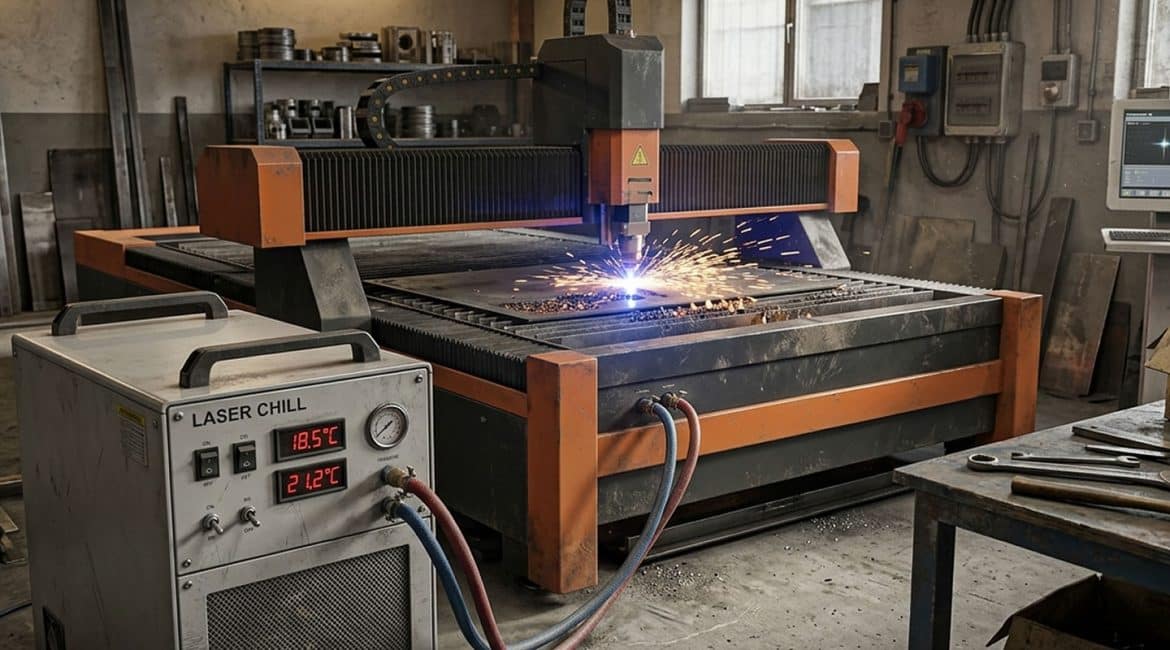
Carbon dioxide (CO2) lasers operate with a high thermal overhead; typically, less than 15% of the input electrical energy is converted into optical output, while the remaining 85% is dissipated as waste heat. If this thermal load is not evacuated immediately, the internal kinetic energy of the gas medium escalates,...