
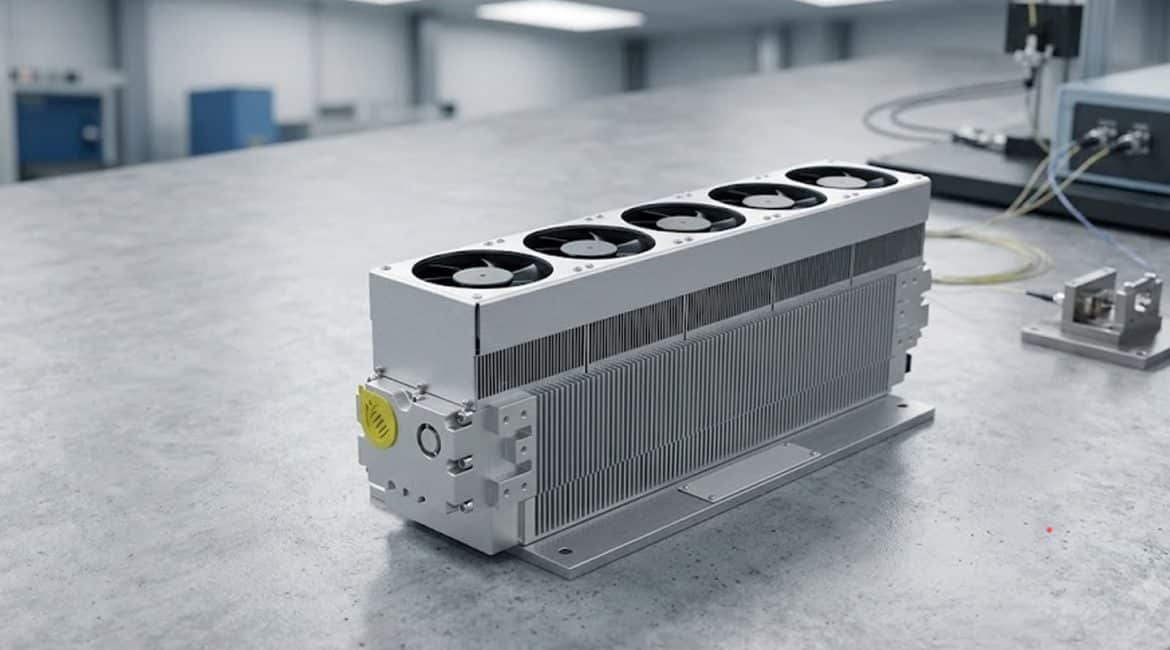
When an RF laser tube operates for 20,000 to 30,000 hours, its internal gas mixture becomes imbalanced. This occurs due to molecular decomposition and minor leaks. Consequently, the laser's output power significantly decays. At this point, your laser is not fundamentally broken. Instead, it resembles a sports car with an...
Yongli Laser Tube Upgrade Guide An Analytical Blueprint for Selecting Between DC Glass and RF Metal Systems
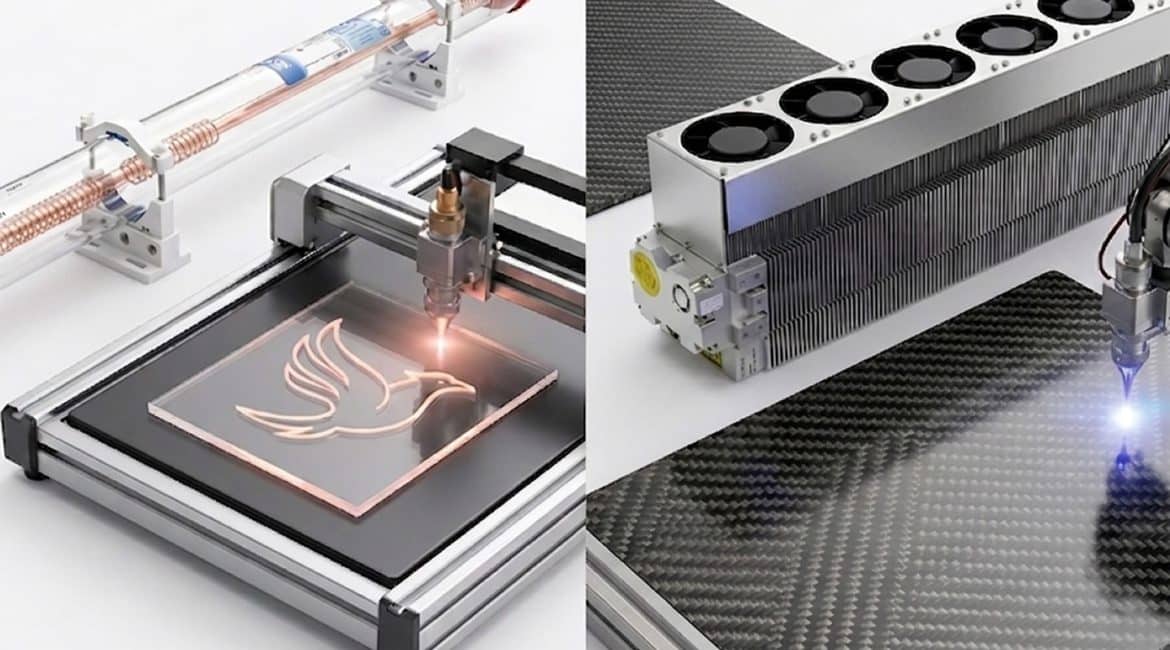
In the realm of laser processing, "Yongli" serves as a benchmark for reliability. A vast number of seasoned professionals launched their operations using Yongli's dependable DC glass tubes. However, processing demands have fundamentally evolved. The industry is rapidly shifting from basic cutting operations toward intricate engraving and high-throughput production—a transition...
Unveiling the Blueprint for Longevity An In-Depth Look at Yongli CO2 Laser Tube Gas Chemistry and Electrode Engineering
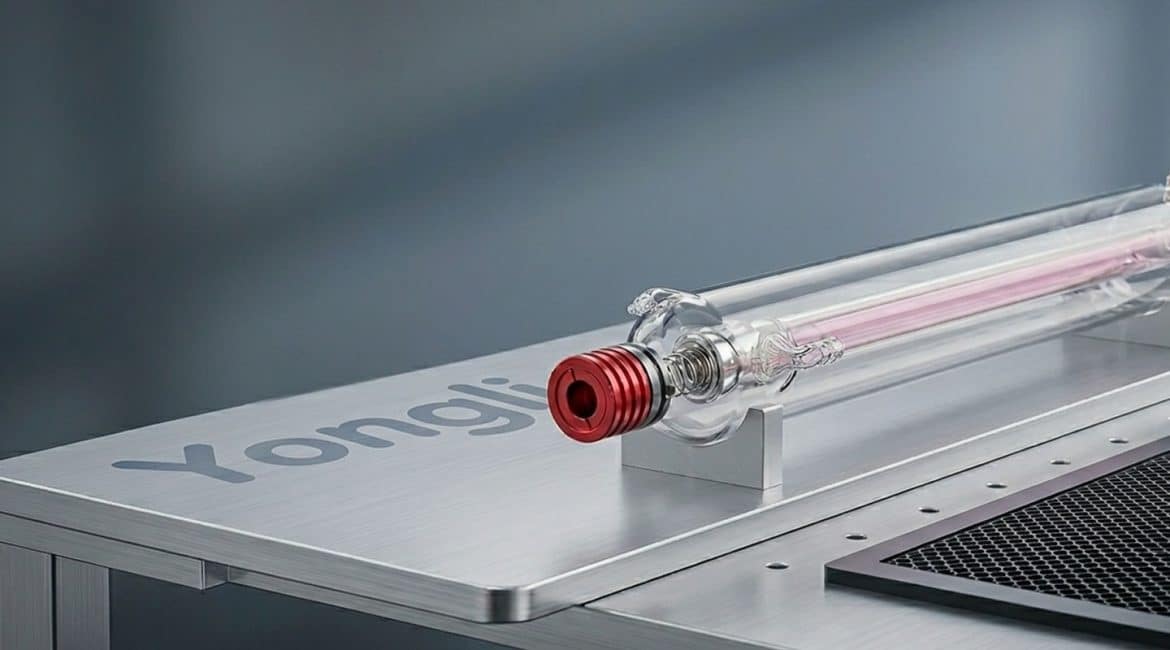
In the lifecycle of a CO2 laser tube, two "invisible killers" persistently threaten operational longevity. The first is gas degradation, where the internal gas mixture experiences a shift in its optimal molecular ratio. The second is electrode sputtering, a process where dislodged metal atoms contaminate the tube's internal vacuum environment....