
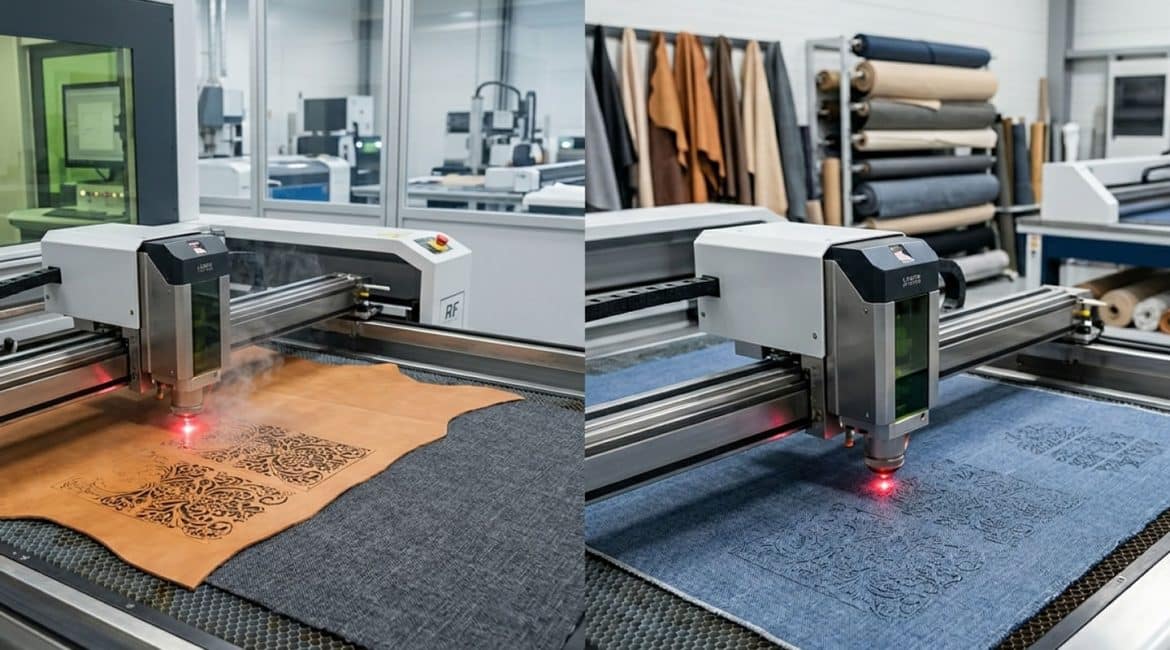
Textiles, synthetic webs, and natural leathers share a defining characteristic: they are highly compliant, temperature-sensitive substrates. Conventional mechanical converting methods—such as die-stamping or automated oscillating knife cutting—exert significant localized stress on material boundaries. This mechanical loading causes irreversible physical deformation, edge fraying, and dimensional inaccuracy, directly compromising the aesthetic and...
RF Lasers High Initial Cost, Long-Term Savings. Is Your Calculation Right
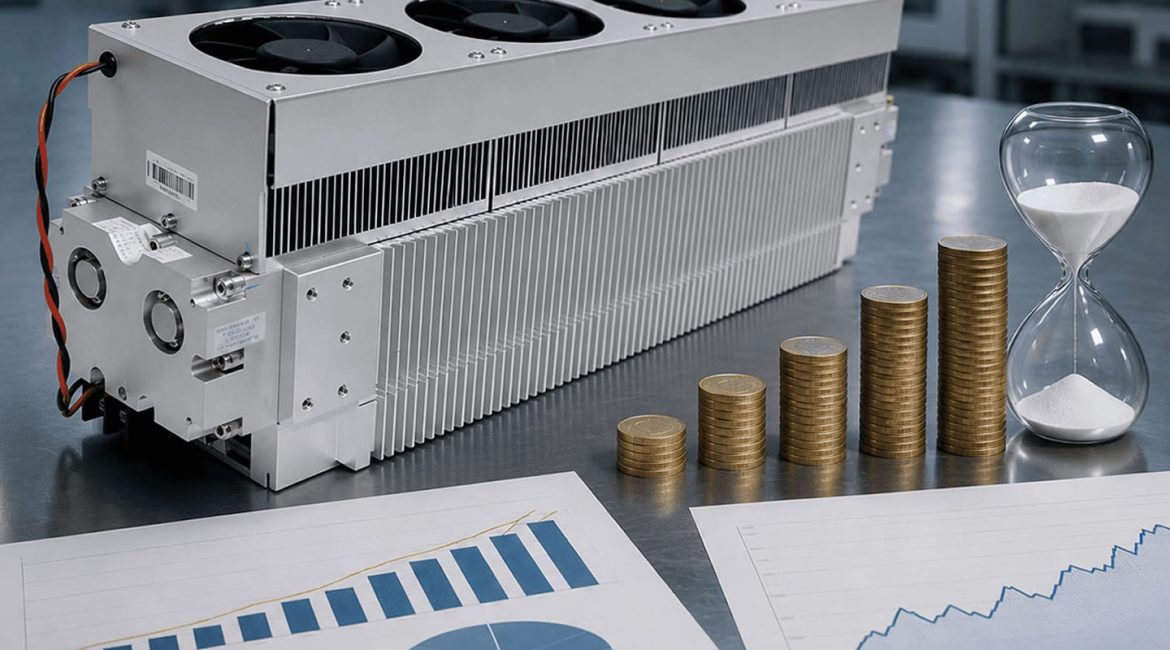
Return on Investment (ROI) Analysis: Why does a purchase of a CO2 RF laser, despite higher initial costs, offer long-term economy? Machine procurement in industrial manufacturing is a balancing act. Business owners and purchasing managers face budgets. We often fall into an intuitive trap. We only see the price tag...
Speed and Precision Why High-speed CO2 RF Lasers are the Top Choice for Processing
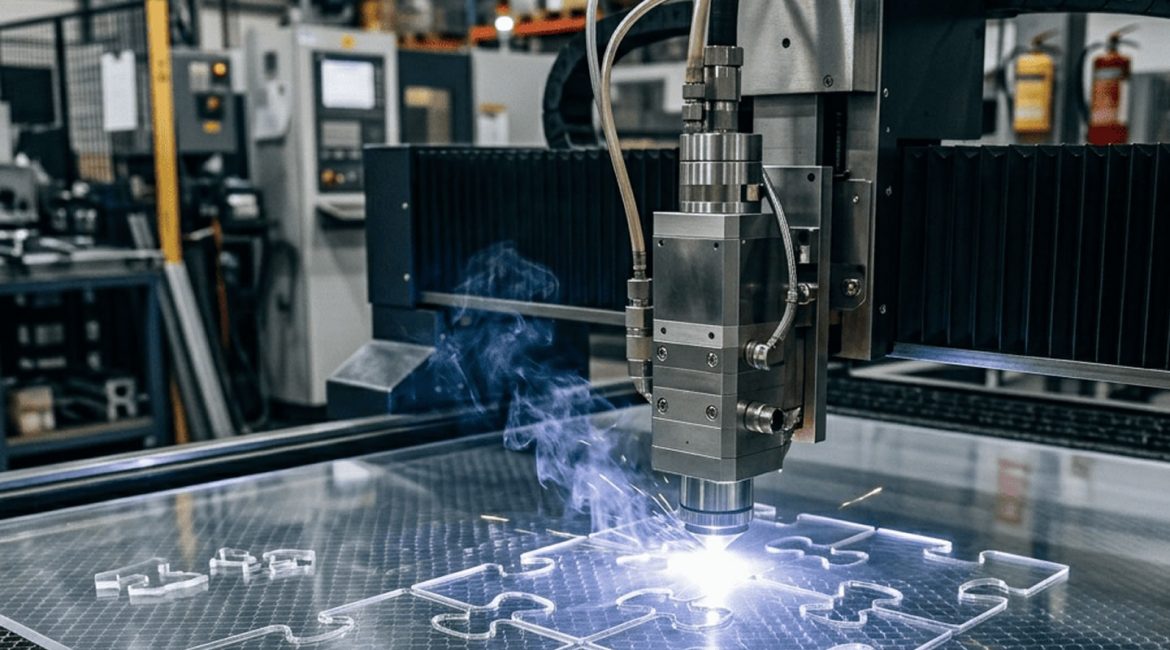
On modern smart manufacturing lines, speed means money. Precision is the lifeline. Indeed, traditional DC (Direct Current) glass tube lasers often struggle. They cannot handle marking dozens of products per second. Furthermore, they also fall short for high-speed cutting of micron-level electronic films. Therefore, industry invariably focuses on RF (Radio...