
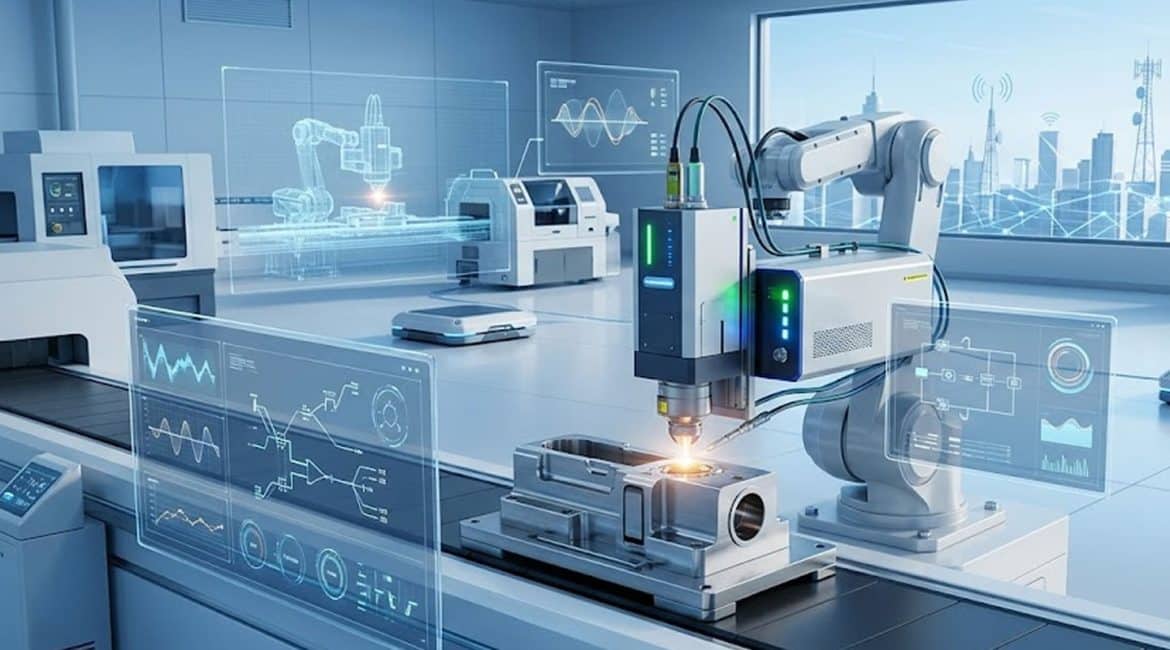
For a long time, industrial lasers acted like "lone artisans." They simply emitted a stable beam. They could not predict component failures. Nor could they assess optimal operating efficiency. External control software, in fact, struggled with precise real-time diagnostics. This lack of integrated intelligence presented a significant challenge for efficient...
RF Laser Power Supply, Impedance Matching, and Stable Output
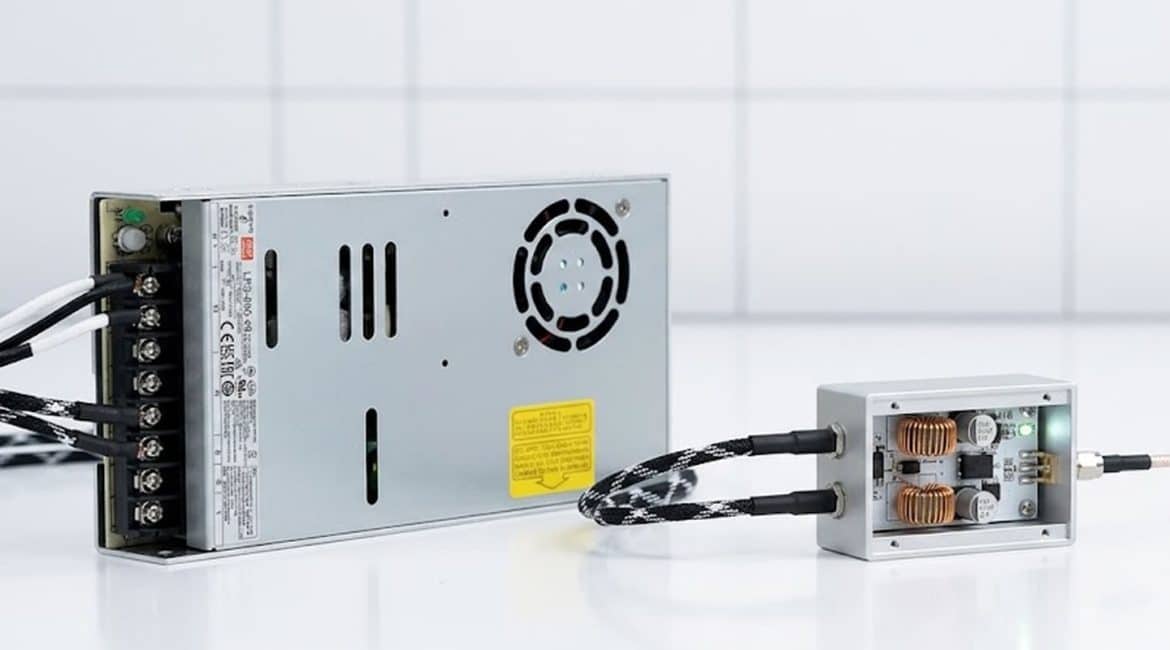
In industrial precision processing, RF (Radio Frequency) lasers are renowned for their ultra-fast response and exceptional beam quality. How do they achieve microsecond-level switching? Furthermore, how do they precisely inject energy into invisible gas molecules? The perfect synergy of the RF laser power supply and the impedance matching network makes...
From Welding Sparks to Wafer Annealing Slab CO2 RF Lasers – The Pinnacle of Modern Engineering
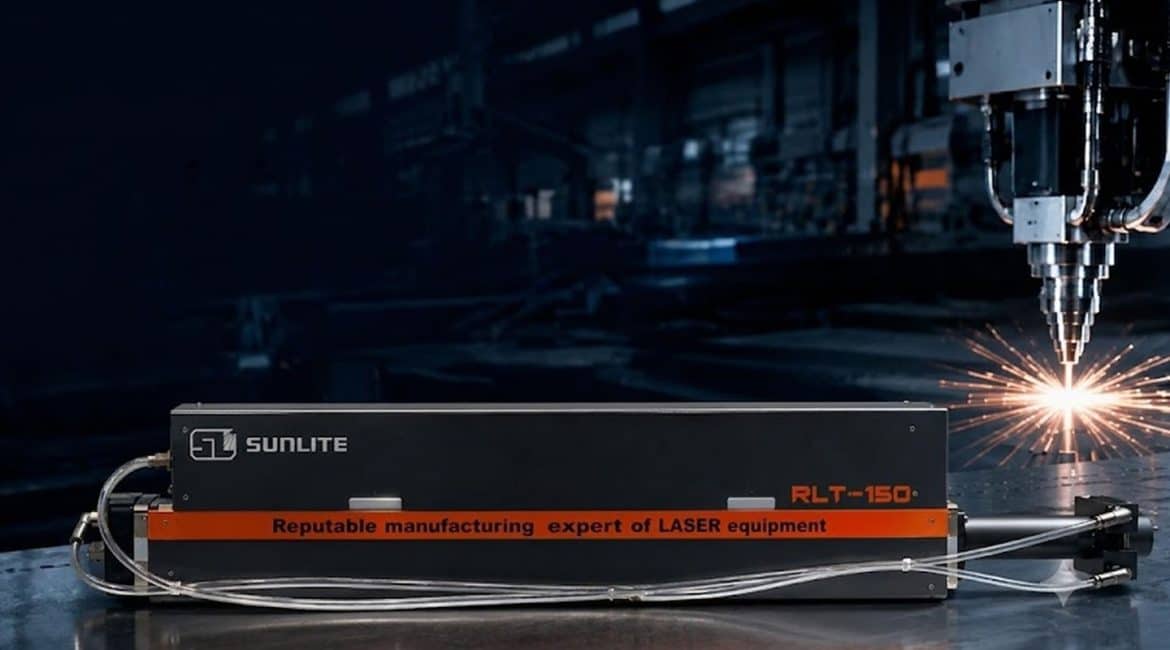
You might see crude welding sparks in large auto factories. Then, you might think CO2 lasers are outdated. Nevertheless, in cleanroom labs, a 10.6-micrometer (μm) infrared light persists. This light is a "stabilizing anchor" for precise silicon chips. It also handles complex semiconductor materials. The high-power Slab CO2 RF laser...