
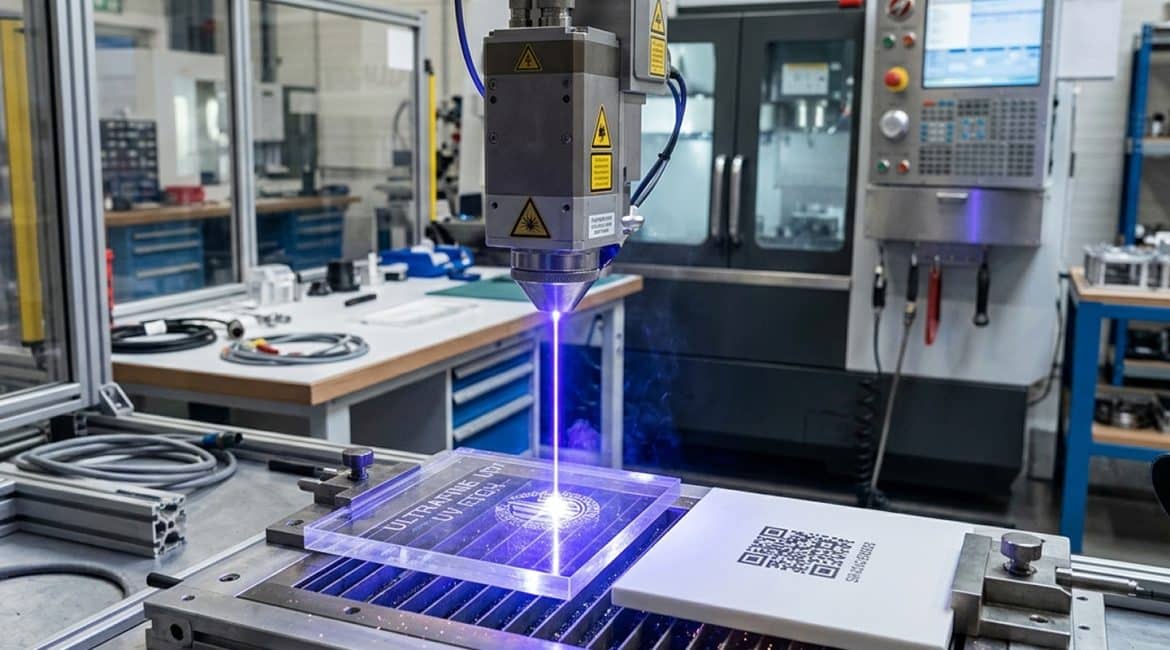
In industrial processing, we often encounter challenging materials. For instance, consider delicate transparent glass, common white plastic tubes in medical devices, or high-density polyimide circuit boards. Using typical infrared fiber lasers or CO2 lasers for marking or cutting these materials often yields unsatisfactory results. For example, transparent glass remains unharmed;...
Unveiling Laser Lenses ZnSe, Quartz, Sapphire – Tailoring for Different Laser Wavelengths
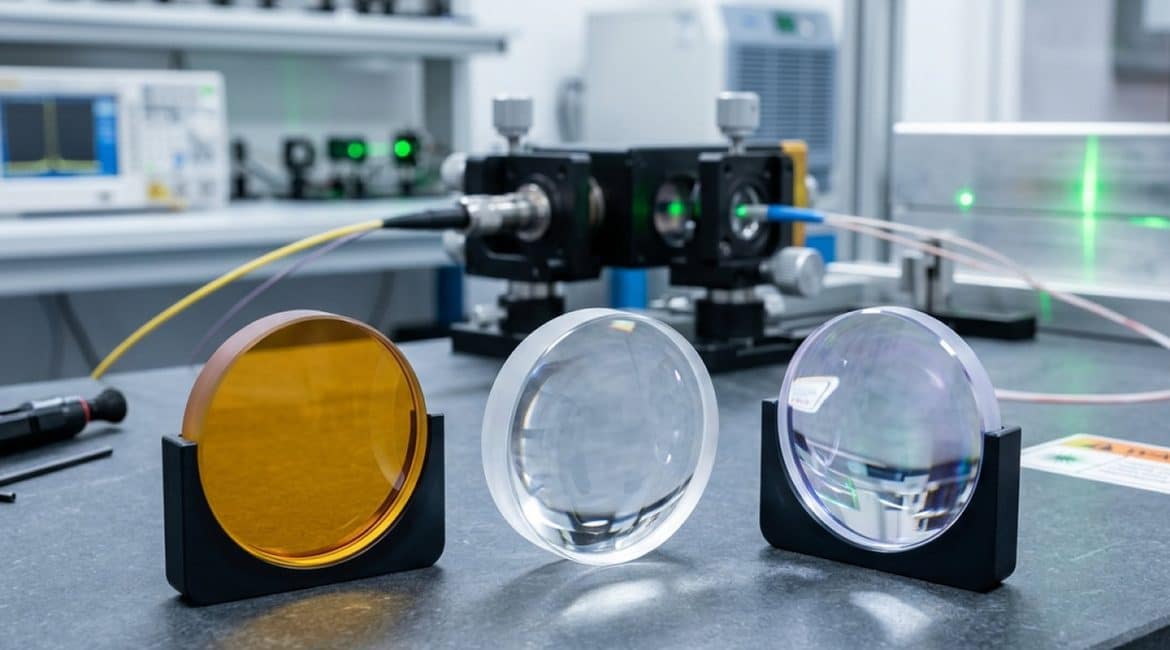
In laser processing systems, laser focusing lenses act as the laser's "eyes." They concentrate a broad laser beam into a tiny, high-energy-density spot. This achieves precise cutting, welding, or marking. However, have you ever wondered why some lenses appear transparent and colorless, while others are golden yellow? What happens if...
High Brightness and Small Spot Demystifying Fiber Laser Beam Quality (BPP)
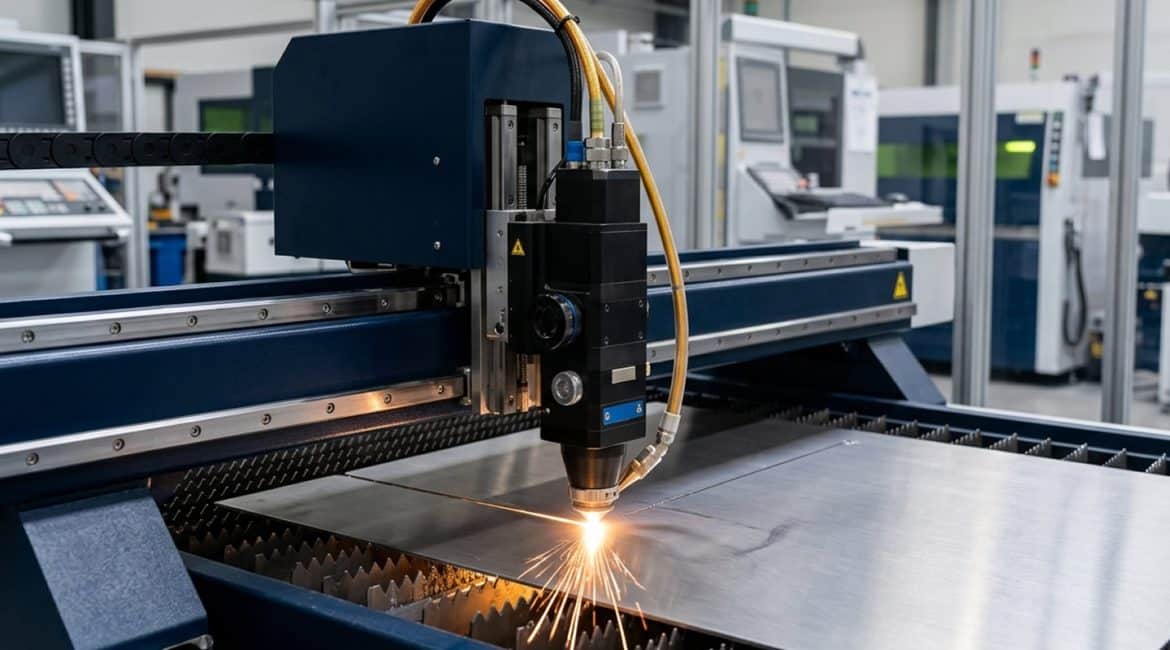
In industrial laser processing, fiber lasers have truly become the shining stars. They deliver astonishing efficiency and precision. For instance, they cut several-millimeter-thick steel plates at high speed. Furthermore, they perform micron-level fine welding on microelectronic chips. Many often describe fiber lasers as having "high brightness, small spots, and concentrated...