
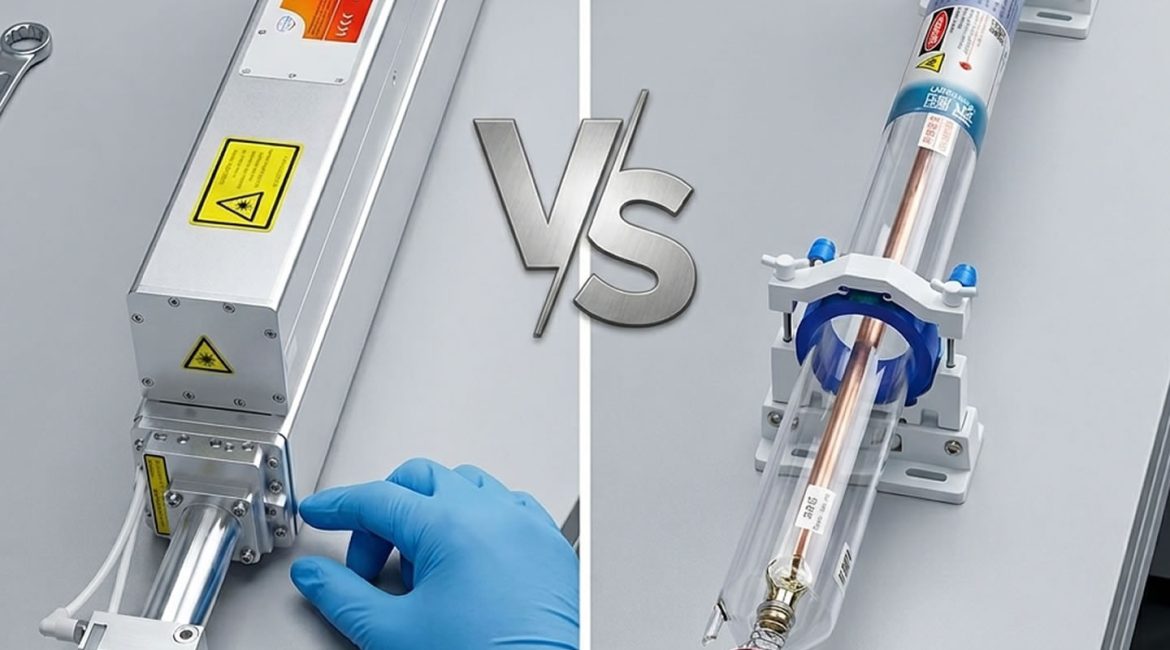
In CO2 laser processing, we often hear two terms: "glass tube" and "RF (Radio Frequency) tube." Both output 10.6-micrometer infrared lasers. They also cut wood, acrylic, or engrave leather. However, their prices can differ by several or even dozens of times. This huge price gap is not merely brand premium....
Future-Oriented Procurement Evaluating CO2 RF Laser Brands, After-Sales Service, and Technical Support
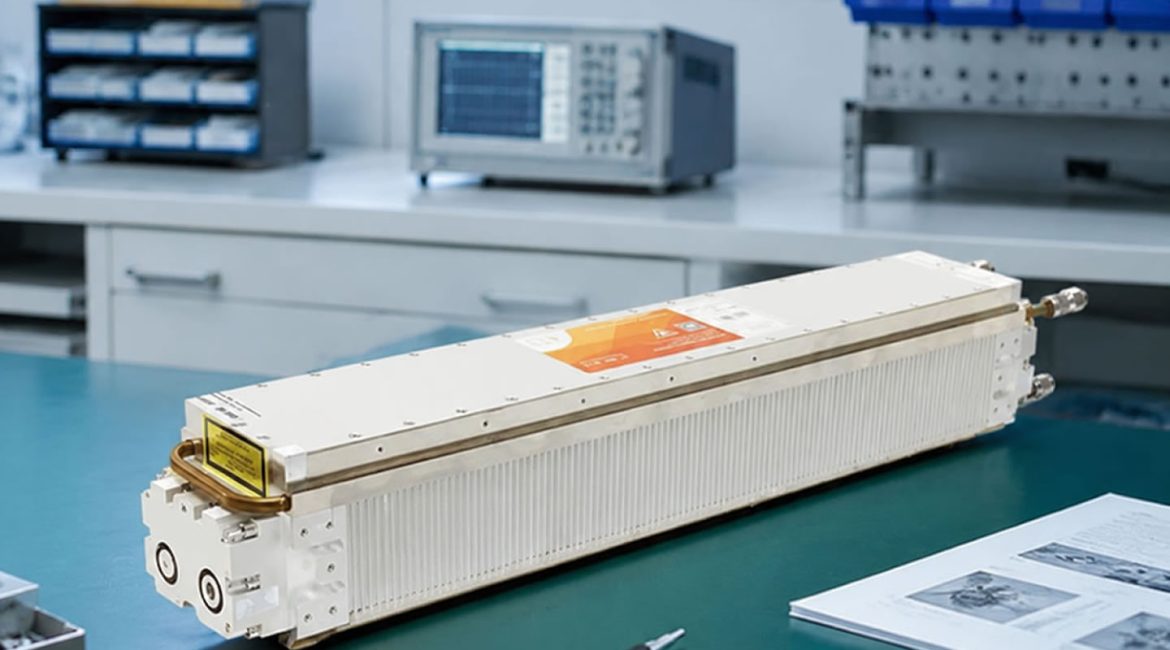
In a modern factory's supply chain, buying a CO2 RF laser with a metal tube is complex. It's not a simple machine purchase. Its high initial cost and critical role on precision lines make it a multi-year investment. Therefore, smart procurement matters. However, many managers only see the "factory spec...
Laser Protective Lens Cleaning, Replacement Cycle, and Contaminant Impact on Beam Quality
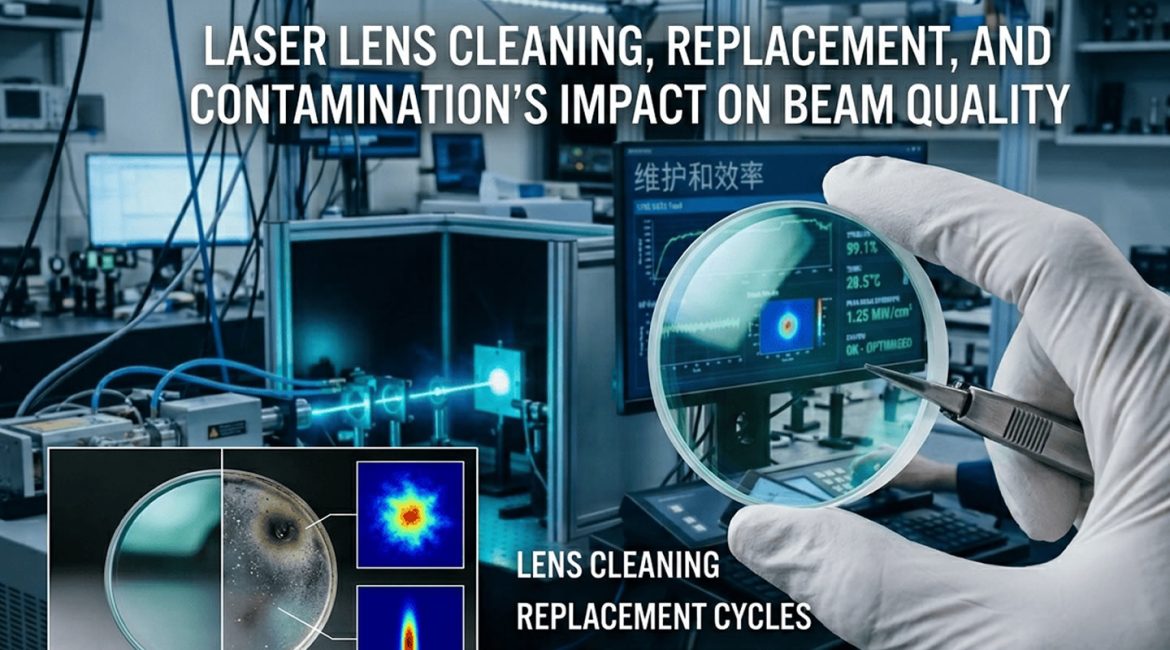
In laser cutting or welding equipment, consider the laser head its "eye." Indeed, the laser protective lens functions as its "cornea." This consumable is among the least expensive. Nevertheless, it critically influences processing quality. Often, burrs appear on cutting edges. Alternatively, processing power inexplicably drops. These issues, in fact, frequently...