
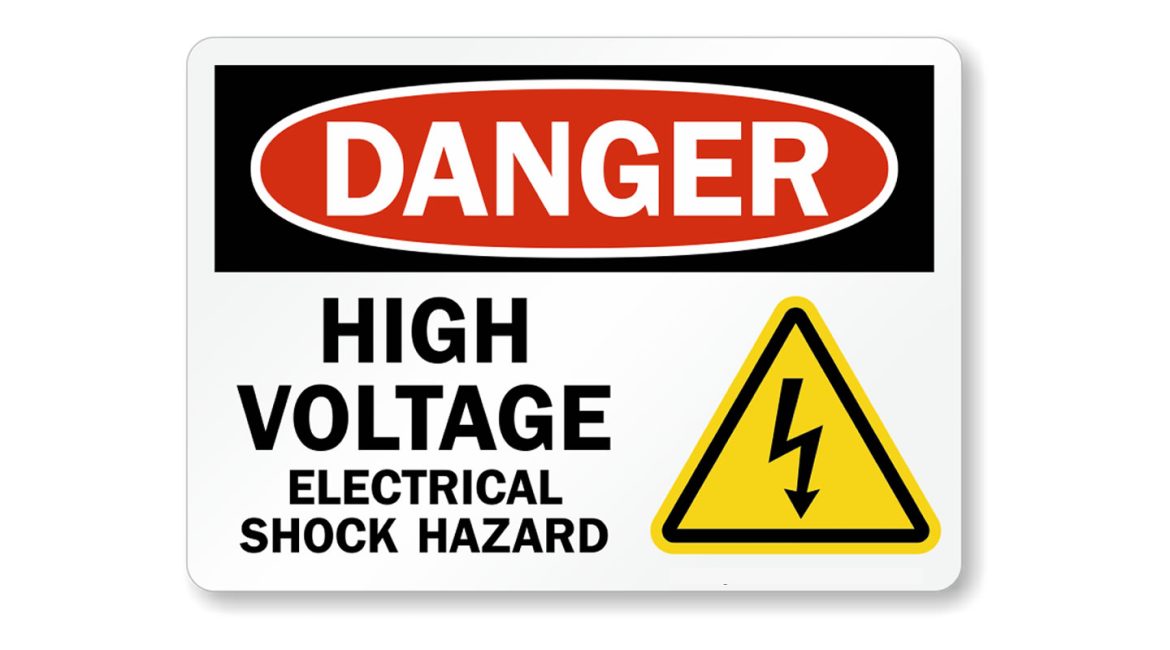
Many novice users believe simply avoiding direct contact with live terminals ensures safety. However, high-voltage physics reveals electricity’s “creeping” and “jumping” characteristics. Inadequate protection means current can silently reach you. It travels through humid air or metal casings, creating significant hazards. This underscores the critical need for robust laser safety protocols.
I. Respecting Tens of Thousands of Volts: Why CO2 Laser Tube High Voltage is So Dangerous
Our common household voltage is typically 220V. CO2 laser tubes, however, require high-voltage power supplies. These deliver tens of thousands of volts. This extremely high ignition voltage excites the internal gas, generating laser light. At such voltage levels, electricity becomes very active and dangerous.
If a high-voltage cable’s insulation cracks, or if terminals are too close to the metal casing, powerful current can arc through the air. This creates bright blue electrical sparks. Such an event can burn out the laser power supply. More importantly, it can cause fires or severe electric shocks. These incidents pose a fatal threat to personnel. Laser safety demands strict adherence to insulation integrity and preventive measures.
II. Grounding: Your Final Lifeline for Laser Safety
A golden rule in laser maintenance states: “Poor grounding turns equipment into an electric chair.” This powerfully highlights grounding’s importance for overall laser safety.
- True Grounding is Crucial: Never rely solely on the ground wire in your power plug for safety. Industrial laser machines must connect a robust, dedicated ground wire to their machine casing. Bury this wire deep underground. We recommend using a copper rod in moist soil. This ensures current effectively dissipates into the earth. It is a fundamental laser safety requirement.
- Preventing Potential Differences: The laser power supply’s negative terminal must share a good common ground with the machine casing. If grounding is poor or fails, the casing may accumulate induced static electricity. Feeling a distinct “tingling shock” when touching the machine casing signals high voltage seeking a return path. This is a dangerous sign. You must immediately inspect your system. Proper grounding is a cornerstone of laser safety.
III. Insulation Maintenance: Keep High Voltage from “Straying” for Optimal Laser Safety
The high-voltage cable is typically a thick, red silicone wire. Its insulation condition is critically important for laser safety. You must maintain it rigorously.
- High-Voltage Cap Sealing: The laser tube’s positive terminal connection requires a specialized high-voltage insulating silicone cap. For even more thorough protection, fill the cap with high-voltage insulating grease. This completely isolates it from air and moisture. This step significantly improves laser safety.
- Never Use Regular Tape: If a high-voltage cable unfortunately sustains damage, never wrap it with ordinary black electrical tape. Regular tape offers no effective insulation protection against high voltage; it’s as thin as paper. Instead, use specialized high-voltage self-amalgamating tape for repairs or replacement.
- Moisture Prevention: Water conducts electricity well. A humid laser workshop environment or a leaky laser tube cooling system can cause moisture to condense at the high-voltage end. This easily triggers high-voltage arcing. Therefore, always keep high-voltage connections dry and clean. This is vital for laser safety.
IV. Leakage Checks: A Professional’s “Look, Listen, and Feel” for Enhanced Laser Safety
Even if equipment appears to operate normally, we should regularly perform leakage checks. Here are several simple, practical methods to ensure laser safety:
1.Listen for Sounds (Hearing): Start the laser machine in a dark, quiet environment. Carefully listen near the laser tube’s positive terminal for faint “hissing” or “crackling” discharge sounds. These indicate potential issues.
2.Look for Arcs (Seeing): Turn off all workshop lights. Carefully observe the high-voltage connections and along the high-voltage cable. If you see faint purple spots or blue sparks, this clearly indicates insulation failure. This is a critical laser safety warning.
3.Non-Contact Voltage Tester: Use an inductive high-voltage tester near the machine casing (do not touch it). If the tester alarms intensely, it suggests excessive grounding resistance or induced current leakage from the casing.
4.Observe Water Flow: Check the cooling water tubes for bubbles or darkened water. Frequent bubbles in the water path sometimes occur when high-voltage arcing punctures the tube wall, allowing gas to enter the water system. This compromises both machine function and laser safety.
V. Expert’s Three “Safety Kits” for Operators: Prioritizing Laser Safety
- One-Hand Operation Principle: When inspecting live high-voltage areas, if you must get close, keep your other hand in your pocket or behind your back. This prevents current from flowing through your heart, reducing fatal risks. This is a crucial laser safety practice.
- Power Off and Discharge: Even after turning off the power, large capacitors inside the laser power supply can still store high-voltage charges. Before any maintenance, always disconnect power and wait at least 5 minutes. This allows capacitors to fully discharge. This step is non-negotiable for laser safety.
- Insulation Mat: Place insulating rubber mats around the laser machine. This seemingly minor detail provides extra safety protection at critical moments. It could even save your life. This enhances overall laser safety.
Summary: Safety Precedes Efficiency
High voltage electricity is not an insurmountable threat. We can make it an efficient energy source for production, not a potential hazard. To achieve this, strictly follow three core principles: “Good Grounding, Strict Insulation, and Dry Environment.” These are fundamental to effective laser safety and smooth operations.
Expert Follow-up Advice:
After reading this article, have you checked if your machine’s ground wire is secure and reliable? If you encounter any of the following situations during operation, you must remain highly vigilant and immediately shut down for inspection. These are critical signs requiring immediate laser safety assessment:
1.Do you feel a distinct sting or “tingling shock” when touching the machine’s metal parts?
2.During laser cutting, do you occasionally hear a regular “pop” sound inside the machine casing?
3.Does the high-voltage silicone sleeve at the laser tube’s positive terminal show signs of yellowing, brittleness, or damage?
For your safety and the equipment’s integrity, please prioritize these laser safety tips!