
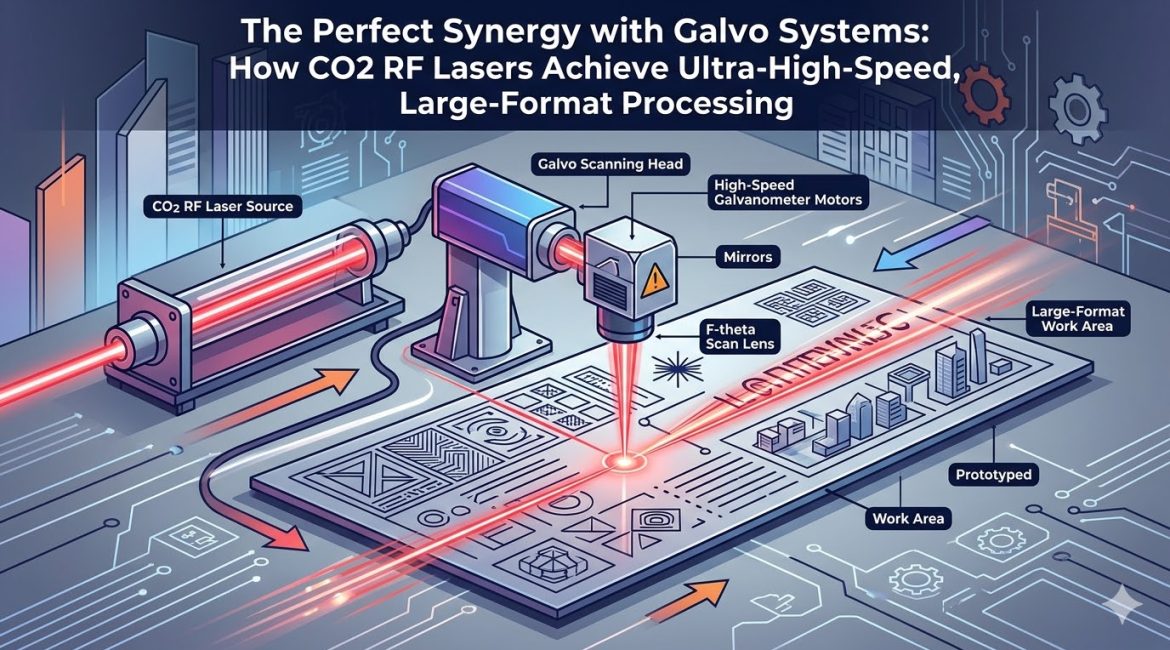
The Perfect Fusion: How CO2 RF Lasers Enable Ultra-High-Speed, Large-Format Processing with Galvo SystemsIn laser processing, speed is paramount. Traditional gantry systems resemble old plotters. Motors move an entire crossbeam. These systems offer high precision and robust power. However, physical inertia severely limits their speed. In contrast, galvo systems operate...
Unveiling Cold Processing How Ultraviolet Lasers Achieve Non-Thermal Damage Engraving
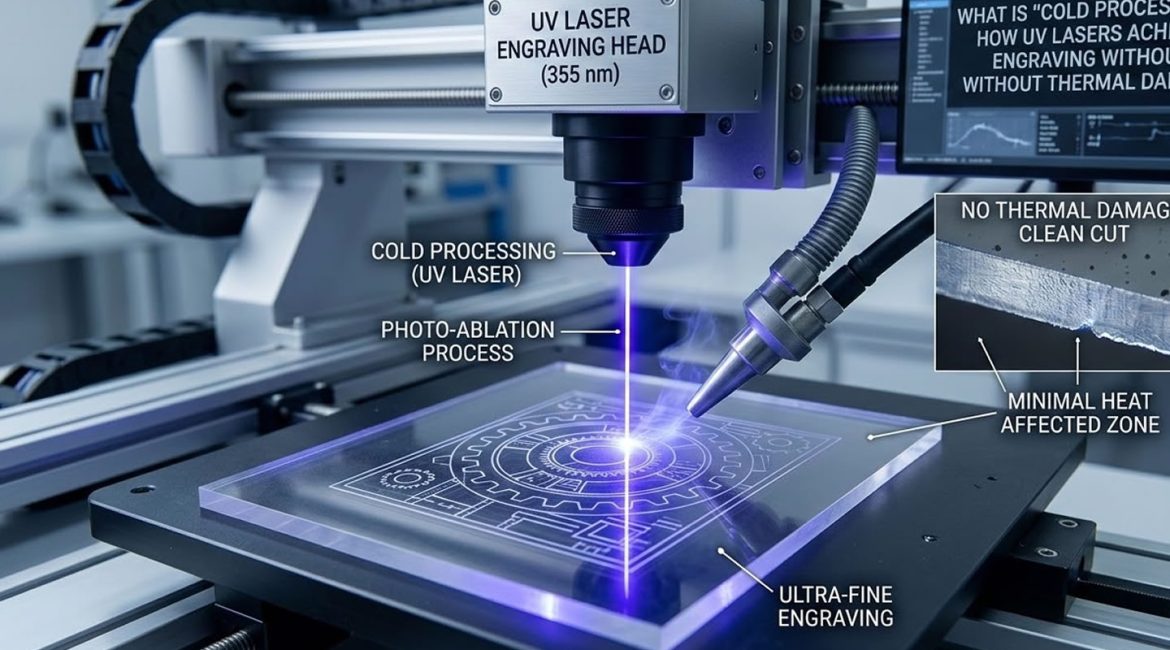
Traditional laser processing often imagines a high-energy "flamethrower." This "flamethrower" melts or vaporizes materials through high temperatures. It cuts metal or wood. However, fine engraving on a fingernail-sized chip is challenging. Opening holes in paper-thin plastic film also presents difficulties. This "fire attack" causes material deformation, charring, or complete scrapping....
In-Depth Material Compatibility What Your Blue Light Engraving Machine Can and Cannot Do
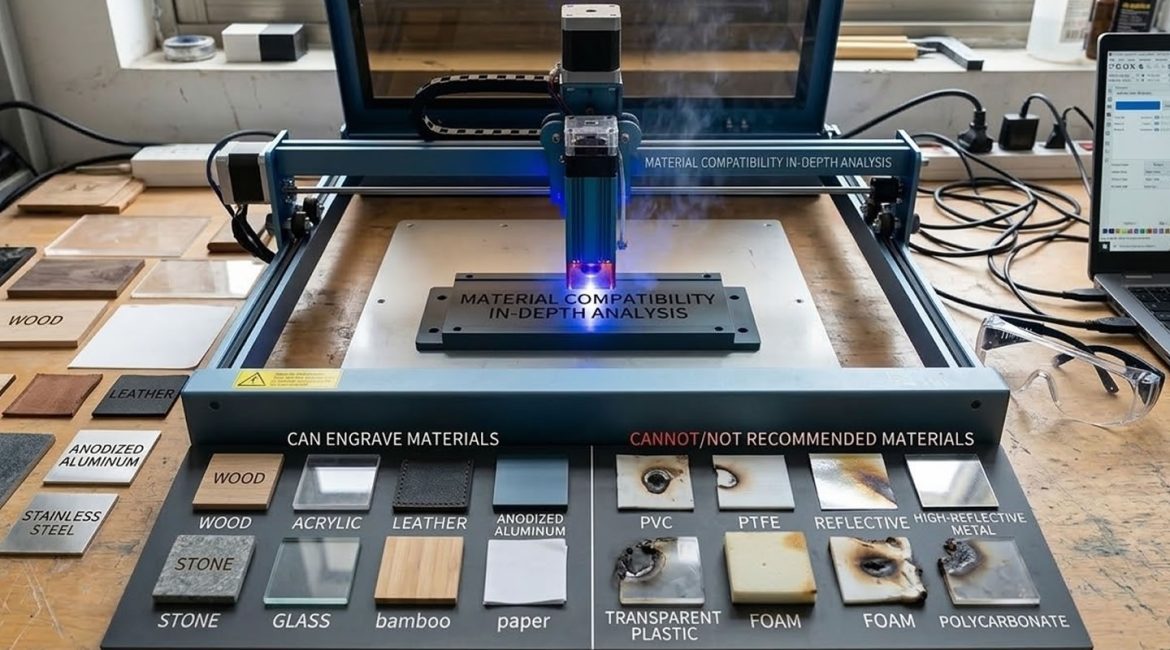
A blue light laser typically refers to a semiconductor laser. Its wavelength is approximately 450 nanometers. In the world of laser engraving, this blue light engraving machine acts like a "picky eater." It shows strong enthusiasm for some materials. Conversely, it completely ignores others. This "enthusiasm" depends entirely on the...